
Access
The Great American Zig-Zag Day 169 | Sikeston, MO

I am seeing a web form. A tangled, weaving display of growth and contraction where I only glimpse a 2D plane of a 3D tapestry, woven over the centuries. It frustrates me as much as it intrigues me, since even if I choose to continue on my journey for the rest of my life, I would never be able to watch the weaving of the fibers.
This web I am referring to is the web of domestic trade. Resources flow in and out of communities based on means of transporting cargo. There are towns I have visited which have long-decayed, having felt the presence of time tug their economy away as river-based transport went extinct. There are other towns which revolve entirely around a railroad stop which just happened to have been built there, either by necessity or providence. And naturally, there are towns on the outskirts of cities, thriving only due to their proximity to a major center of commerce. The solitary through-line I have seen, whether this is correlation or causation, is the means of access to major means of transportation. I have seen the echoes of towns which only existed as relics of a major crossroads in rail, which have since withered and have struggled to retain a sense of identity since. I am seeing towns which now exist solely due to their proximity to an interstate highway crossroads, still struggling from the impacts of Covid on traffic.
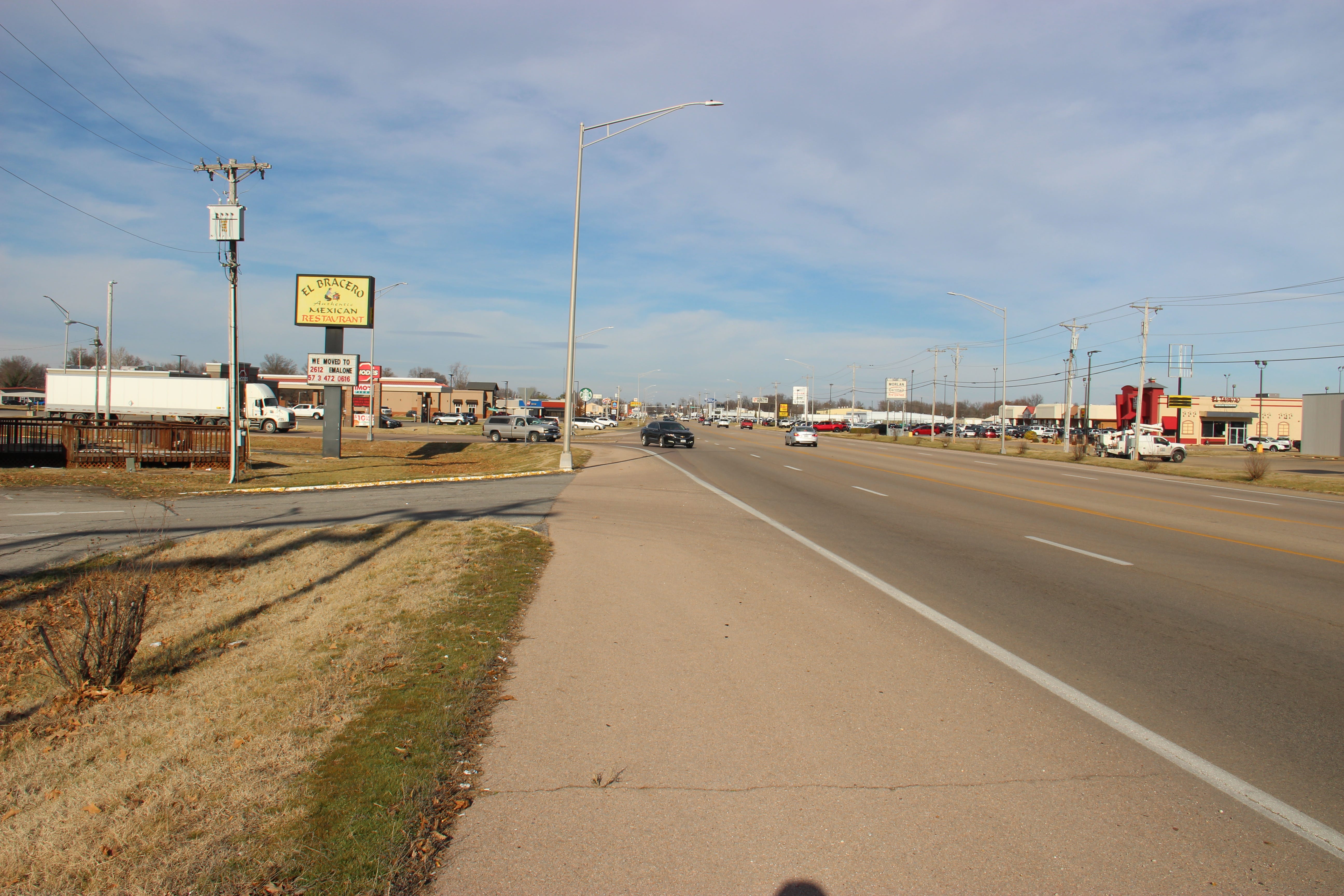
But the towns which seem ever-present are those towns which have something to offer, something to produce. Which have some geographical advantage that allows them to be uniquely positioned. Today, I witnessed Sikeston, a town surrounded by farmland, a town which grew in popularity due to its positioning at both a rail and highway crossroads, and was used for logistics in several wars throughout United States history.
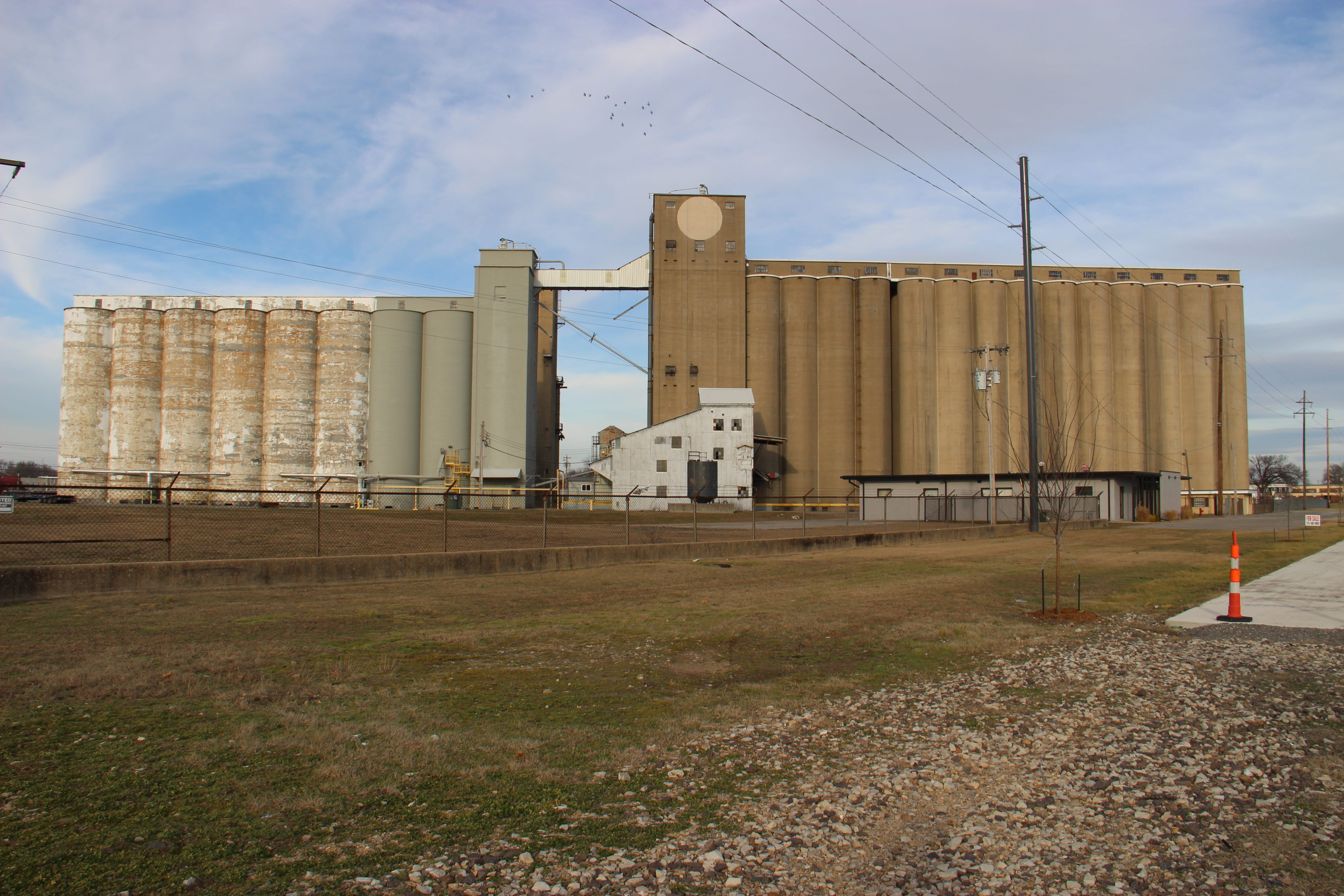
I have been pondering the flow of commerce a lot in recent months, and while I still have no grand conclusions to share, towns like Sikeston offer valuable insight to the flow.
CES recently wrapped up, and my YouTube feed was inundated with all the latest and greatest tech, with grand promises on the products coming down the pipeline. But how much of the tech being sold is really necessary? I bring this up because I am attempting to reframe my mindset away from the marketing machine perpetually flaunted in front of the American consciousness and towards the levers that legitimately influence decision making. Towns like Sikeston help me with that framework. What do people need? And I mean really need. Food and water obviously, but we have solved food and water scarcity. The only reason people go hungry and parched is systemic inequity. Naturally, I don’t want any of my fellow Americans to go hungry, hence the food pantry volunteering, but I want to think beyond the base instincts.

I argue the most realistic lever to pull, after basic needs are met, is the ability to travel. The ability to access other towns, states, countries with relative ease. Sure, take it from the man who has been doing nothing but traveling the past 6 months and absolutely has a bias towards the lifestyle he has grown accustomed to. But regardless of my bias, I believe my theory has merit.
Why do all our car advertisements focus on the freedom which comes with the open road? Why do our cities with reliable public transit thrive? Why do bike lanes improve economic outcomes in the sectors where they are properly implemented? Why is proximity so central to our home purchasing decisions?
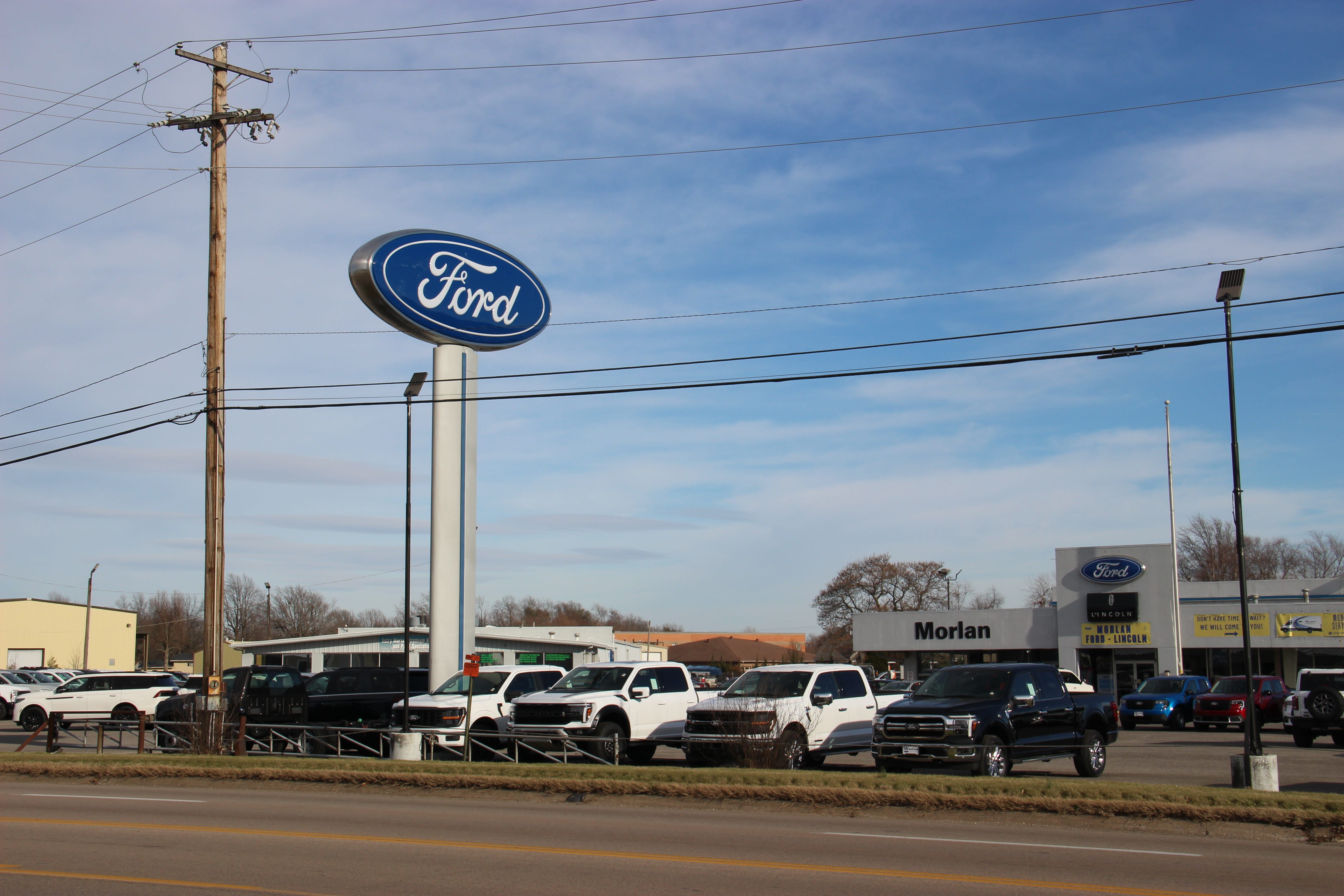
Everything in our society revolves around access, and access revolves around travel. In my 26 years of life, I was able to engage in grandiose travel, by taking a flight across borders or a train up and down the East Coast. My options were infinite for travel because I had six modes readily accessible to me with direct access to an interstate highway, an international airport, a robust Metro/bus system, passenger rail, bike lanes, and sidewalks everywhere. As I have traveled the nation, I have seen the sheer lack of options for the regular American. Roads are the only real option to get anywhere. Towns like Sikeston seem to be the rule, where there may be one single bike path running down the main street, but nowhere else. The same goes for sidewalks. And even though there is a railroad attached to the town, it is for cargo, not passengers. So good luck getting to an airport if you don’t already own a car.


The world becomes so much bigger when travel access is disproportionately distributed. I have seen three car dealerships per town, but still met people who have never left their county. The land of the free does not seem to me to be the land of freedom of movement.
I don’t have a conclusion for today.


Great perspective here. It took decades to extend electricity and telephone service to rural America. We are way behind on broadband access as well. But to your point, access to roads and cars does not mean that people will travel.